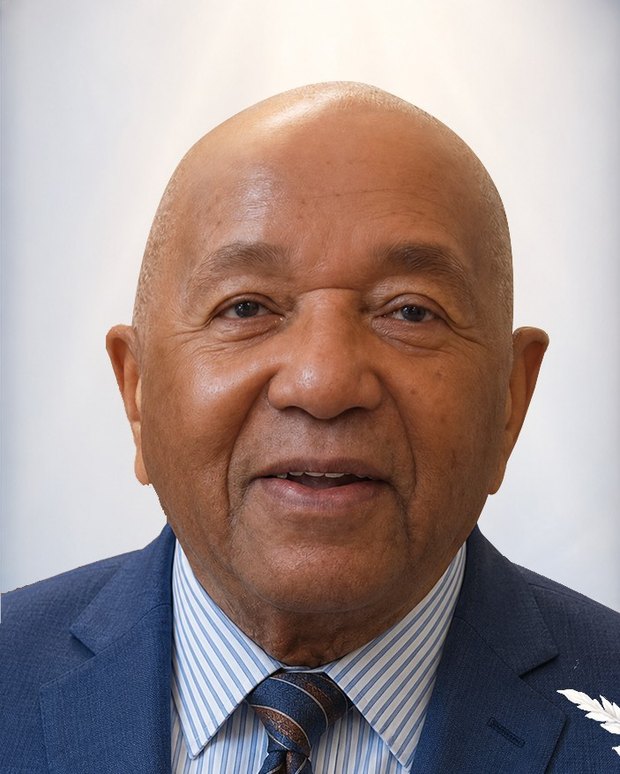
Homegoing Celebration
Leo Scott, Sr.
Feb 10, 1926 – July 28, 2026
One Hundred Years
The family of Leo Scott, Sr. invites you
to join us in celebrating his life.
Three gatherings, three locations. Come to all of it, or to the part you can.
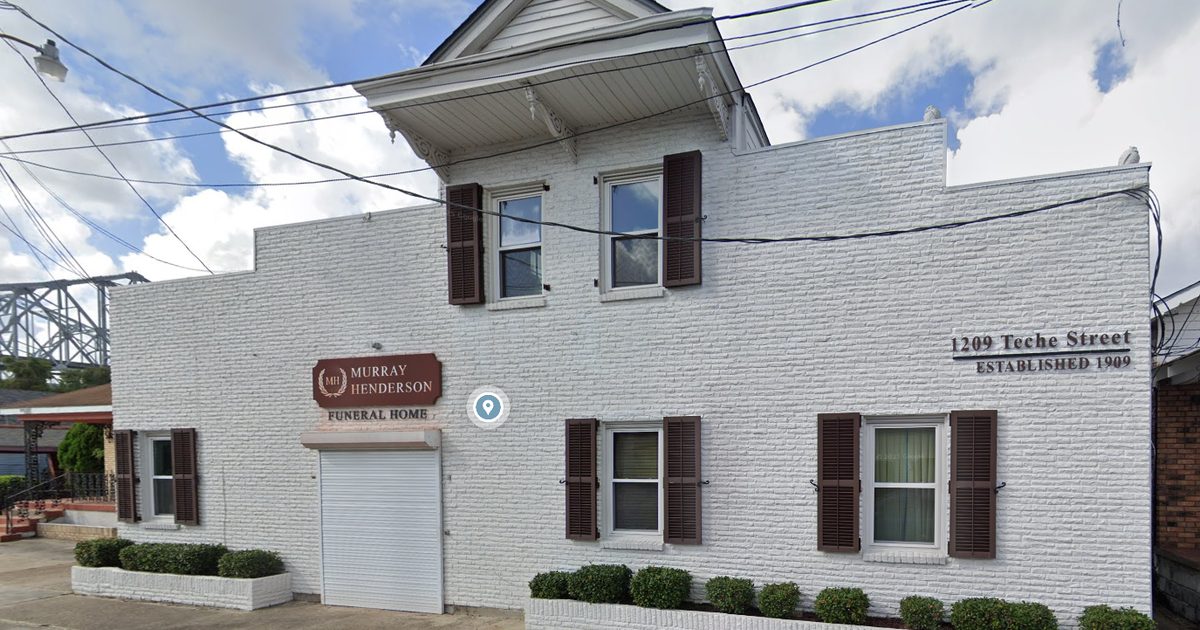 Get Directions
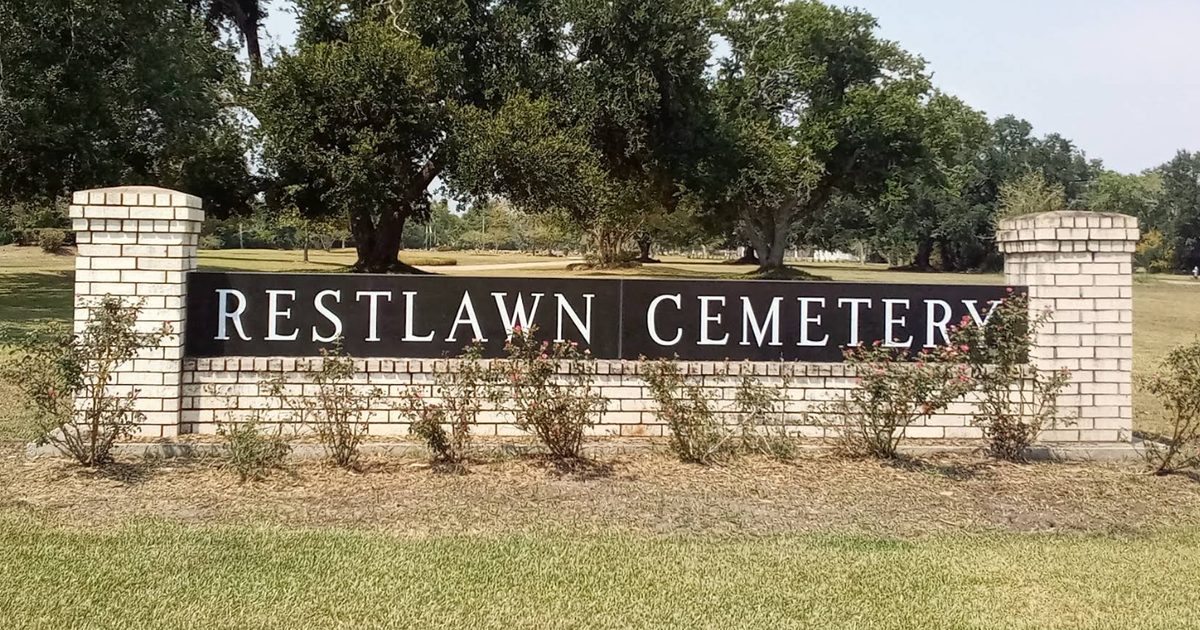 Get Directions
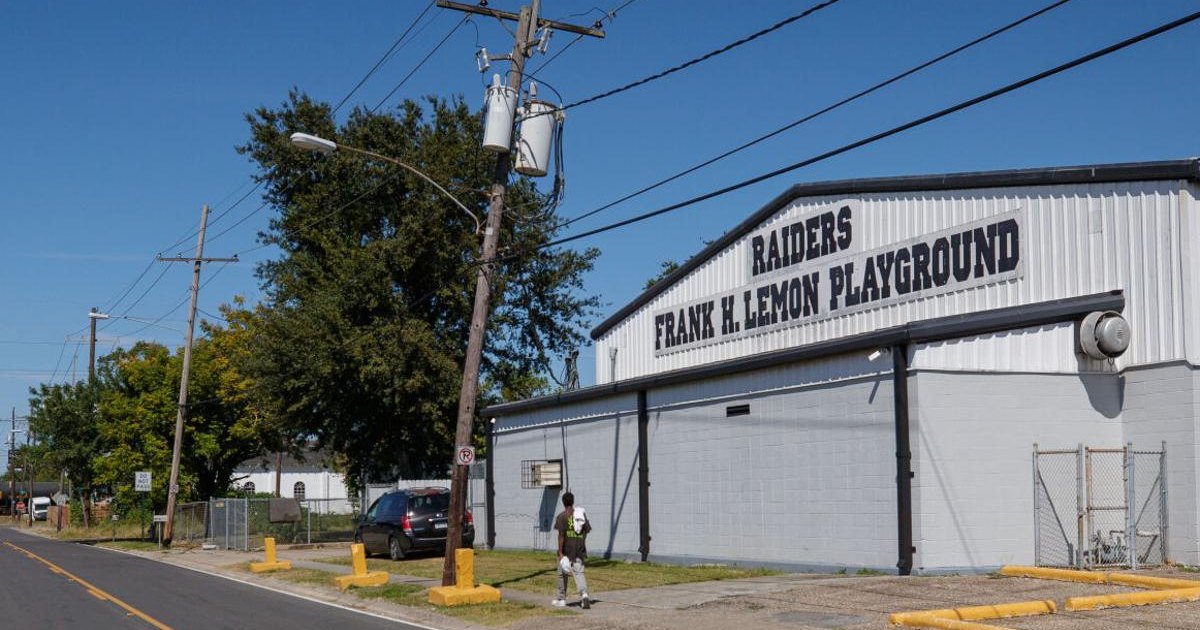 Get Directions
Thirty seconds. It helps us seat you and feed you.
One hundred years, and he never once called any of them hard.
Leo Scott, Sr. left Lake Providence as a teenager with a lie about his age and a train ticket north, and he did not stop moving until he had seen Seattle, a war, and the coast of South Africa. What he did after he came home changed a New Orleans refinery — and four generations of his own family.
He was raised in Lake Providence, up in East Carroll Parish, through the 1920s and 1930s. That was cotton country in the Depression, and it held very little future for a young Black man with ambition. He came down to New Orleans looking for better work and did not find it.
So he got on a train and rode it all the way to Washington State. When he got there he told them he was older than he was — old enough to hire — and they put him to work driving crews of men back and forth across the job sites.
He lived in Seattle in the years when its music scene was one of the best in the country. His neighborhood turned out musicians, a young Quincy Jones among them, and Leo made a point of seeing everybody who came through town.
Then he was injured on the job. The injury did not disqualify him in the eyes of the United States military, which took him anyway and sent him into the Second World War. That same injury cut his term short. He was honorably discharged.
Years later he was offered a way to see the world again, this time as a cook aboard a merchant vessel. He took it, and it rearranged how he understood the world. He was in Cape Town in the 1960s, riding past a prison, when they told him Nelson Mandela was being held inside. He carried that one for the rest of his life.
He came home to New Orleans and went to work at the Domino Sugar refinery, where he stayed for decades. He rose through the union to its presidency, and he used the office. He pushed to desegregate the plant at a time when doing so put a man's safety and his paycheck genuinely at risk. When the effort stalled locally, he went over every head in the building and appealed directly to the company's owners in New York — and persuaded them to come down to New Orleans and answer for it themselves.
He understood that pay follows training, so he fought for Black workers to get the technical instruction that qualified a man for the better jobs. And he helped build and run the refinery's credit union, which is how a great many families around that plant bought homes, fixed roofs, and covered what had to be covered. Most of that work was unpaid, done on nights and weekends at his own kitchen table.
He never finished high school. He taught himself instead, including a correspondence course in radio and television repair that made him the man the whole neighborhood brought a broken set to. They called him Mr. Leo. He sponsored a men's softball team and put the shop's name across the jerseys: Leo TVs.
He was a father, a grandfather, a great-grandfather, and a great-great-grandfather, and he spent his retirement in the middle of all of them. He took the grandchildren traveling, showing them the world and how much of it had changed since he first went out looking at it. He kept the great-grandchildren entertained and was, depending on the day and what was called for, the chef or Santa Claus.
He had a warm heart and a hard eye for getting things done. Faith and perseverance kept him upright. He was handed a great many difficult days, and if you asked him about a single one of them, he would tell you the same thing.
“I never had a hard day.”
— Leo Scott, Sr.
A hundred years, and the family that came out of them.
Tap any photo to see it larger.
A memory, a scripture, a hello.
Four questions. A hundred years is a lot of ground.
Most people who loved him only knew one chapter.
Let's see how many you've got.